
What are creative art therapies?
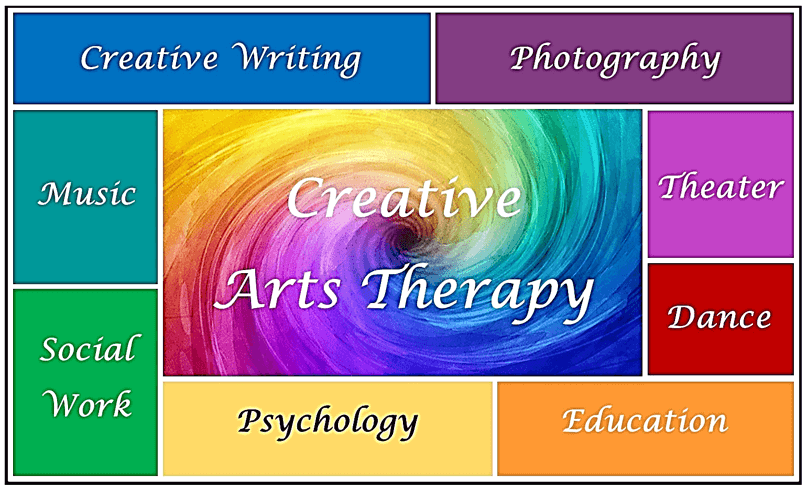
Creative arts therapies is a profession that uses active engagement in the arts to address mental, emotional, developmental, and behavioral disorders by providing a medium for expression. Through various arts modalities, individuals are known to improve psychomotor and sensory impairments, increase interaction among peers, and use more authentic communication. These improvements can have a significant impact on the individual and their relationship with family, peers, and coworkers.
At the MarbleJam Center, we utilize a variety of modalities to meet each client's needs. You can choose from personalized music, drama, or art creative therapy.
Creative arts therapies are used in clinical practice to develop rapport between individuals and therapists, to provide a medium for expression, to improve psychomotor and sensory impairments, and to increase interaction and communication.
MarbleJam Center provides:
- Music Therapy
- Art Therapy
- Drama Therapy
- Movement Therapy

Who are creative arts therapists?
Creative arts therapists are board certified and/or licensed mental health practitioners with master's level education and specialized trainings. In many cases, services may be reimbursed through an individuals health insurance policy under behavioral or mental health services.
MarbleJam is a state authorized service provider with NJ Department of Children & Families, and NJ Department of Developmental Disabilities. We work with case managers, social workers, DCP&P workers, and child study teams to coordinate services.

Music Therapy
Music therapy is a clinical, evidence-based practice where credentialed professionals use music interventions to address physical, emotional, cognitive, and social goals within a therapeutic relationship.
Modern music therapy includes techniques rooted in neurological music therapy (NMT)—a research-driven approach grounded in neuroscience. NMT uses rhythm, melody, and movement to engage brain systems, supporting rehabilitation in areas such as motor function, speech/language, memory, and emotional regulation.
Following a personalized assessment, therapists may guide clients in creating, listening to, or moving to music. These experiences can enhance communication, build cognitive and motor skills, and foster emotional expression—especially valuable for individuals who struggle with verbal communication.
Extensive research supports music therapy’s effectiveness in areas like neurorehabilitation, developmental disorders, mental health, pain management, and motivation during treatment.



Art Therapy
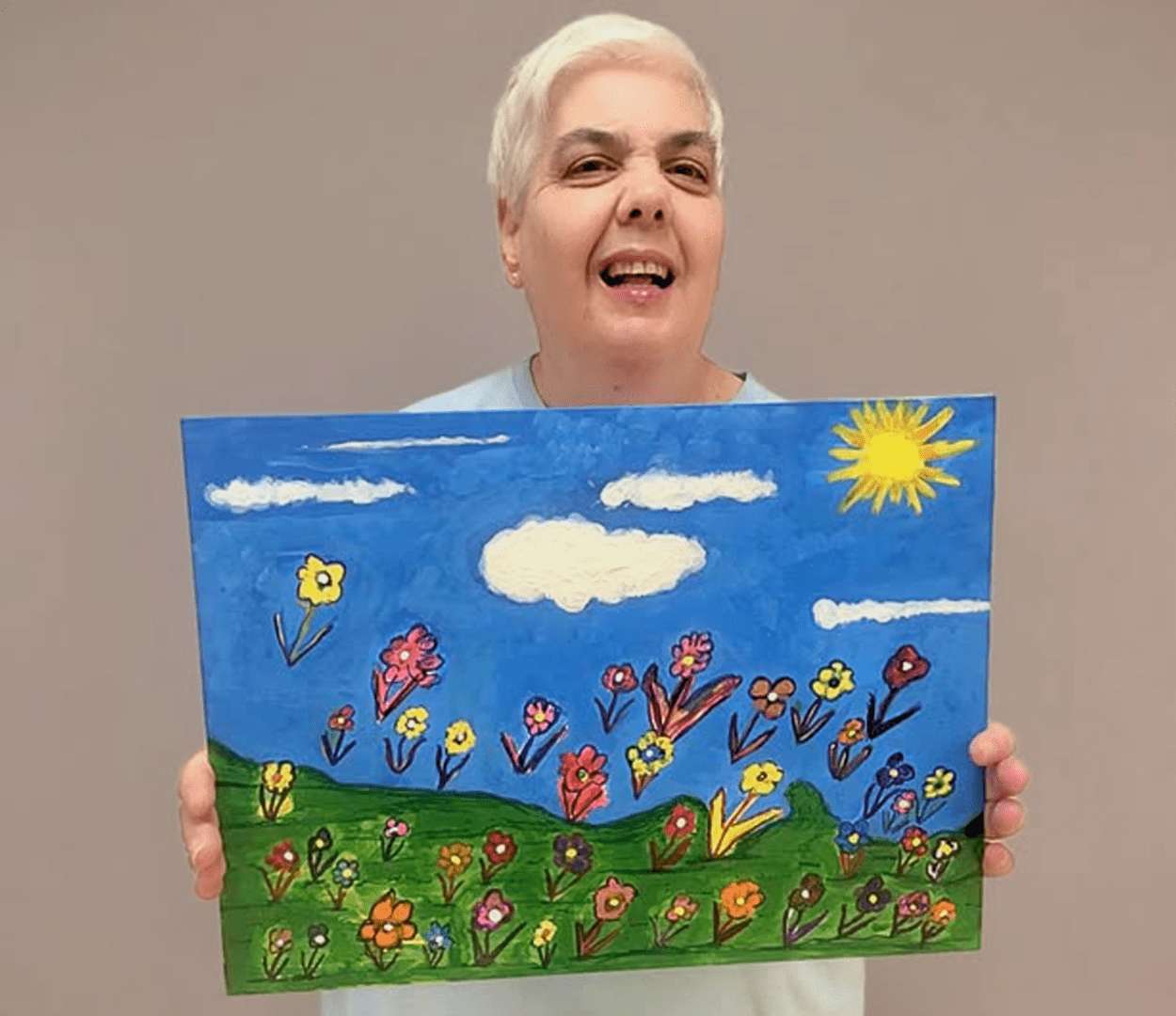
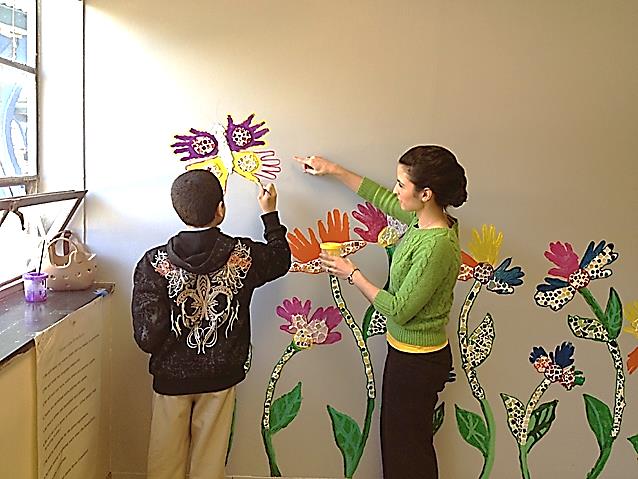
Art therapy is a mental health profession utilizing art media, the creative process, and the resulting artwork to explore an individual's feelings and reconcile emotional conflicts.
Art therapy:
- is active and experiential
- fosters self-awareness
- manages behavior and additions
- provides a means to express feelings
- improves reality orientation
- reduces anxiety
- increases self-esteem
A goal in art therapy is to improve or restore a person’s functioning and his or her sense of personal well-being. Art therapy practice requires knowledge of visual art (drawing, painting, sculpture, and other art forms) and the creative process, as well as, knowledge of human development, psychological, and counseling theories and techniques.
Drama Therapy
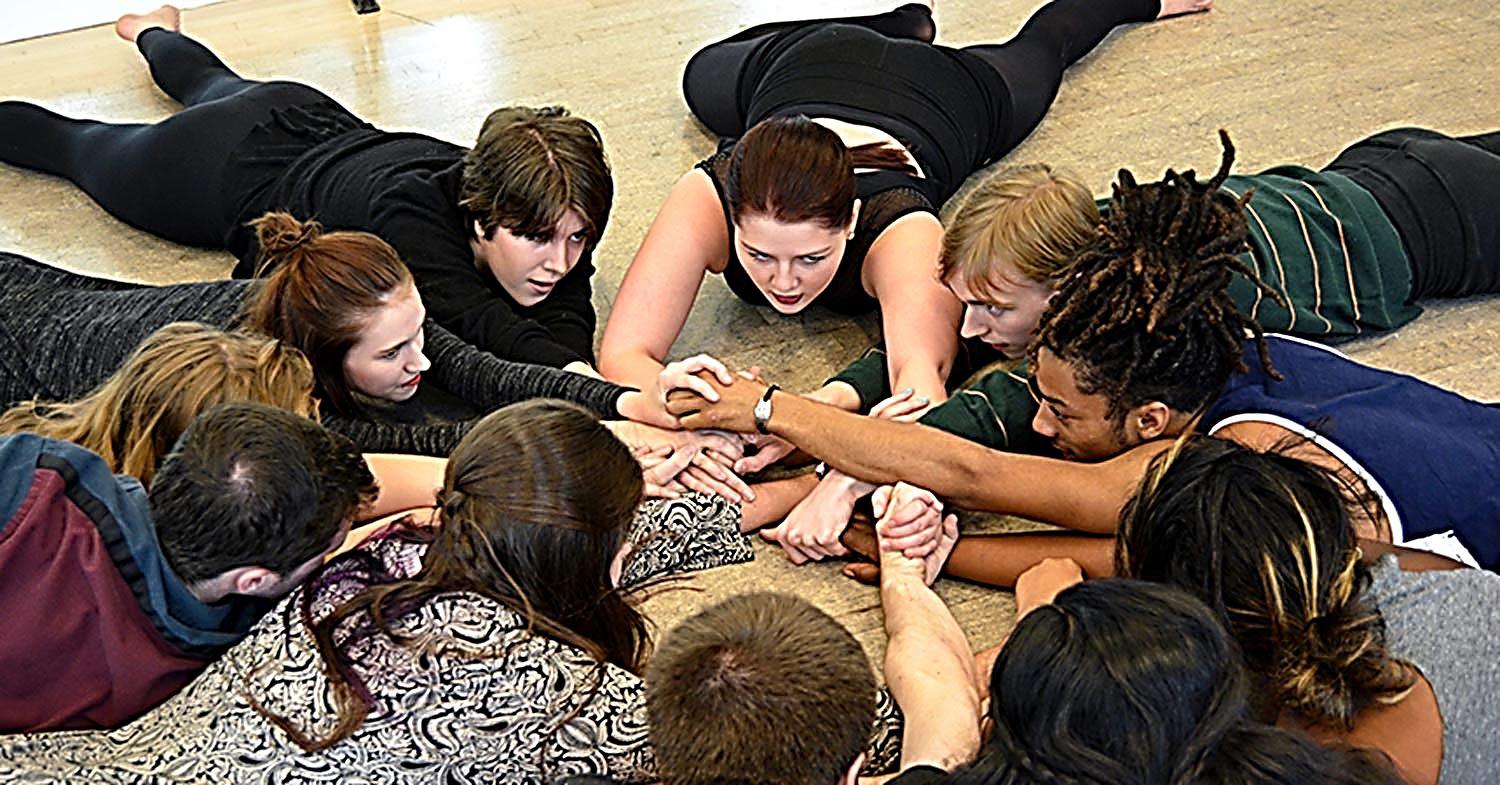
Drama therapy is the intentional use of drama and/or theater processes to achieve therapeutic goals. The theoretical foundation of drama therapy lies in drama, theater, psychology, psychotherapy, anthropology, play, and interactive and creative processes.
Drama therapy:
- is active and experiential
- provides a context for participants to tell their stories
- sets goals and solves problems
- provides a means to express feelings
- utilizes approaches that meets the individual's needs
- includes improvisation, theater games, storytelling, and enactment
Many drama therapists make use of text, performance, or ritual to enrich the therapeutic and creative process.
Who Can Benefit from Drama Therapy?
Drama therapy benefits children, youth, and adults who have been through trauma, loss, isolation, abuse as well as those who are managing chronic illness and mental health conditions. It is a useful tool for practicing social skills and the development of coping strategies.
Drama therapy may benefit parents/guardians managing emergent negative behavior in their child or teen. A drama therapist will practice strategies of engagement and offer alternatives to assist in child management and support.